
What Happens When a Teacher Puts on a VR Headset for the First Time? — Dr. Naqvi’s Journey with syGlass
At syGlass, we often hear educators say, “I wish I had this when I was in school.” But every so often, we meet a teacher who takes that thought and turns it into something transformative for their students.
At Midland High School in Midland, Texas, Dr. Syed Naqvi is doing exactly that.
A First Look That Sparked Something Bigger
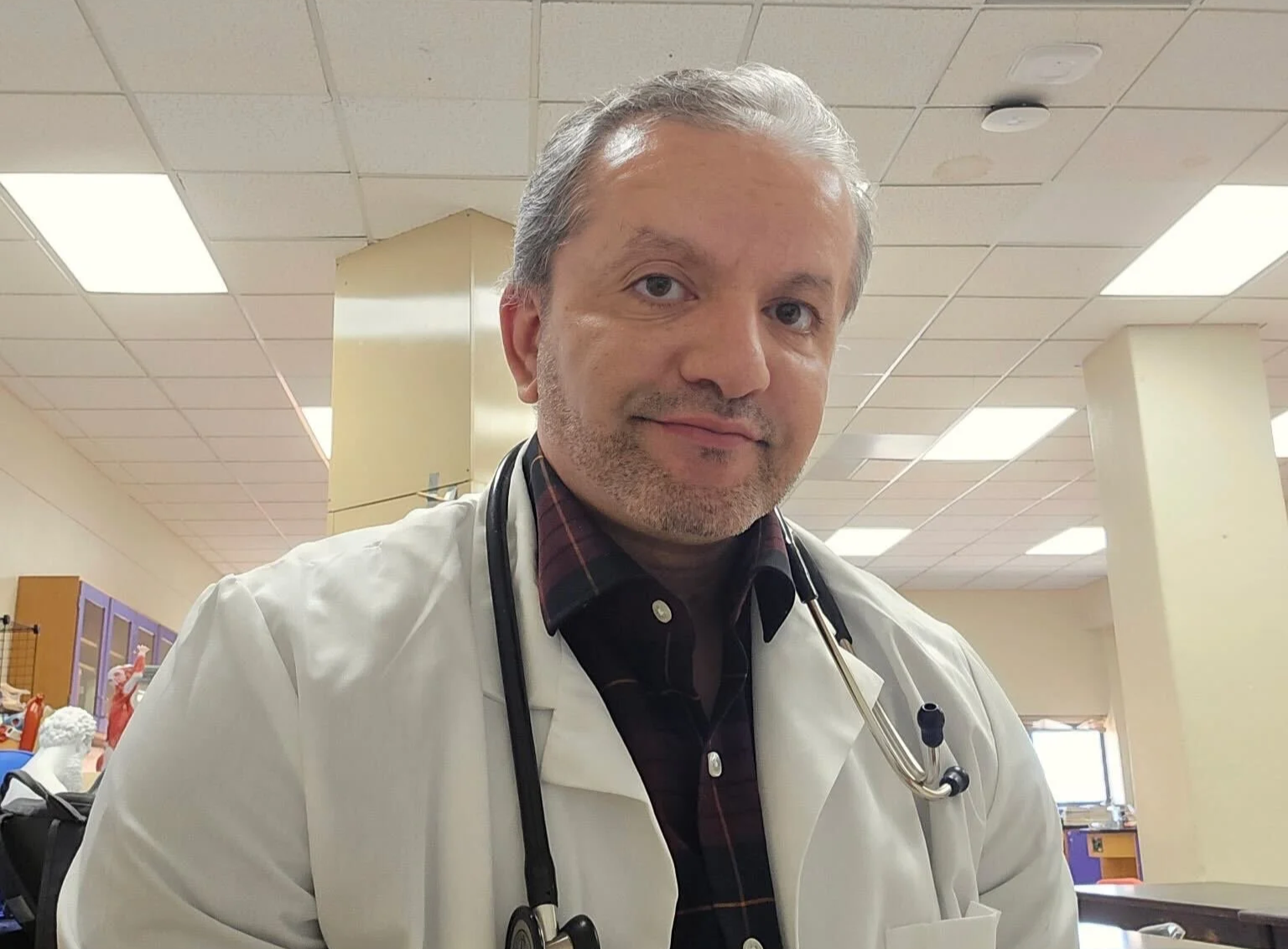
Dr. Syed Naqvi of Midland High School.
Dr. Naqvi came into syGlass with a strong background in medicine, but no prior experience with virtual reality. Like many educators, he wasn’t sure what to expect the first time he put on a headset.
What happened next was something we’ve seen before, but never stops being powerful. As he explored real MRI and CT scans in VR, he was genuinely in awe. The ability to step inside authentic patient data and view it in three dimensions immediately changed his perspective on what learning could look like.
His first reaction said it all: he wished he had access to a tool like this during his own education.
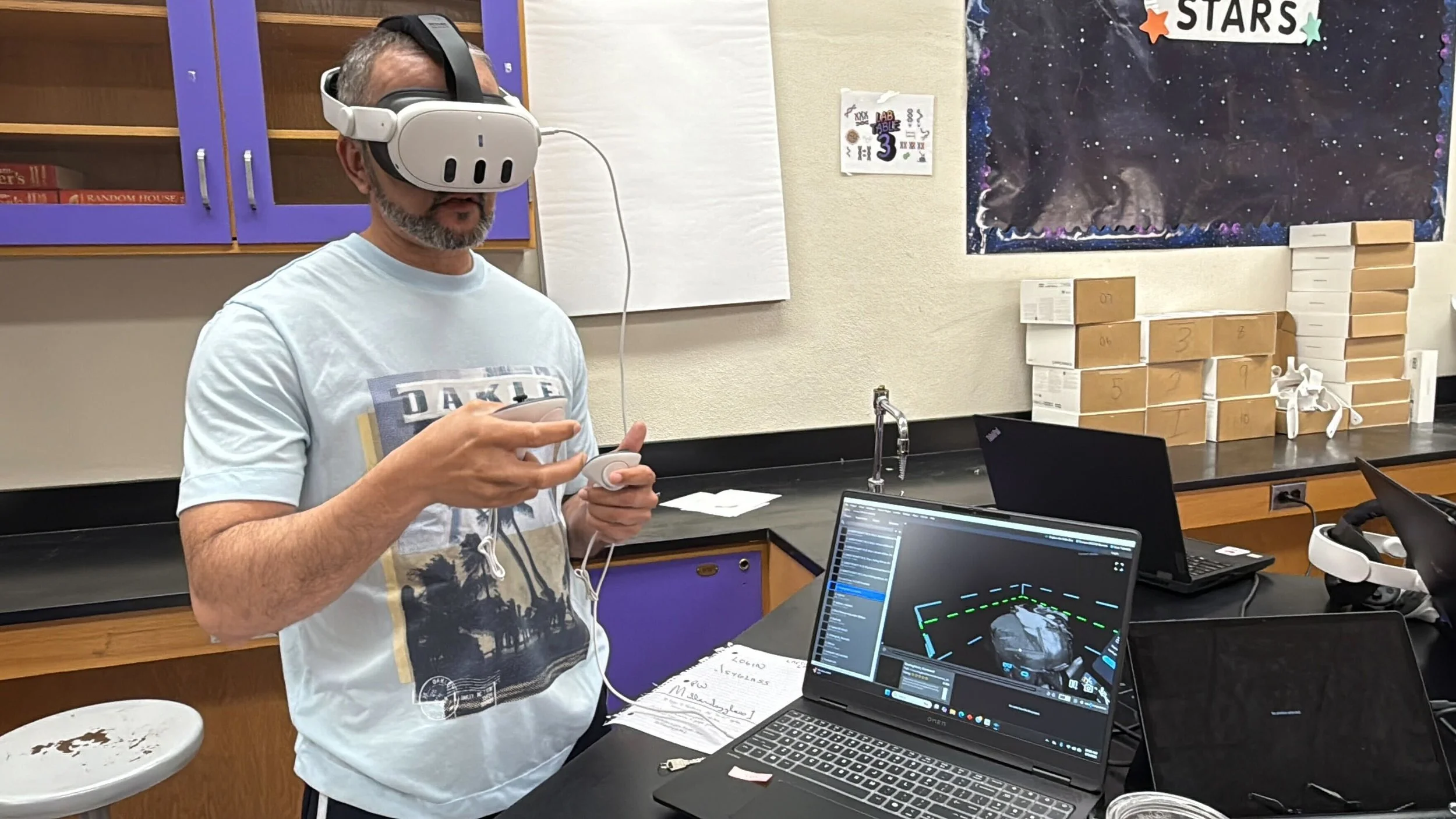
Dr. Naqvi using syGlass in the classroom.
“Watching Dr. Naqvi experience syGlass for the first time was unforgettable. The moment he stepped into the platform, his face lit up with excitement as he began to see its potential as a powerful tool for teaching anatomy. He immediately started envisioning how he could integrate it into upcoming lessons, sharing ideas for creating his own immersive VR experiences for his students.”
Turning Curiosity into Creation
What sets Dr. Naqvi apart is what he did next.
Instead of stopping at exploration, he leaned in. He spent time learning the platform, practicing inside the headset, and quickly began creating his own content. Within a short time, he built his own avatar and recorded a fully immersive lecture on the muscles of the face.
Now, his students don’t just hear a lecture, they experience it. They can step into VR, learn directly from Dr. Naqvi in a first-person environment, and revisit that lesson as many times as they need. It’s a shift from passive listening to active, self-paced learning.
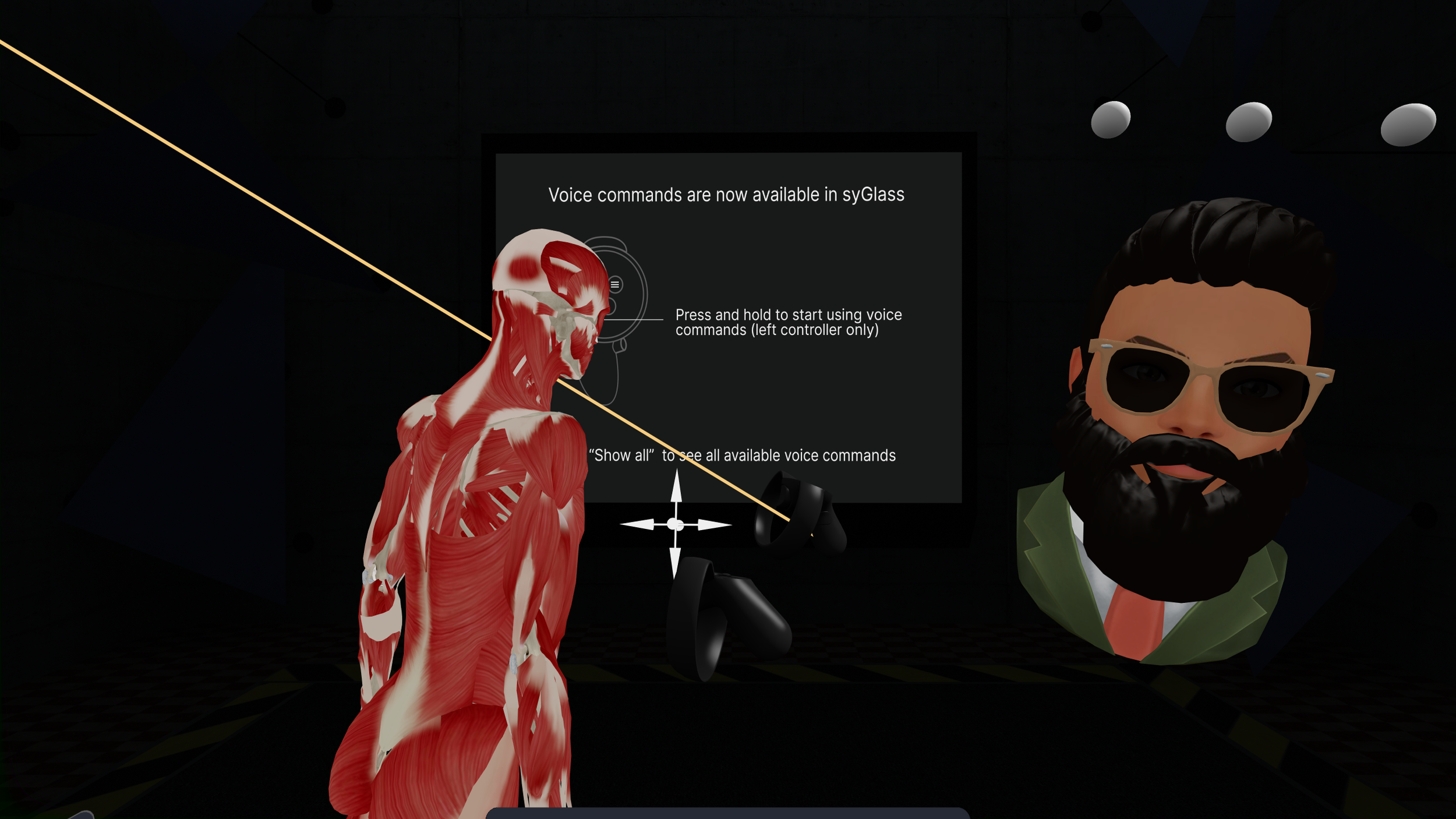
Dr. Naqvi, represented by his virtual avatar, teaching an anatomy lesson in VR.
As Dr. Naqvi shared:
“Being able to actually use this technology to teach the next generation is a truly priceless experience.”
Bernadette also noted how quickly this transformation happened:
“I’ve been equally impressed by how quickly Dr. Naqvi has brought syGlass into his classroom. In just his first year using the platform, he has already created his own narrated VR lectures and is actively engaging his lab students by having them label anatomical structures directly within virtual reality. He’s even looking ahead to having students trace vascular structures within CT scans of the leg.”
Redefining How Students Learn Anatomy
Dr. Naqvi has seen firsthand how immersive learning changes student understanding.
“With VR, that struggle is gone. They can see the spatial relationships in a way that simply isn’t possible on a printed page.”
Instead of trying to mentally piece together flat diagrams, students are now able to explore the human body as it truly exists, complex, layered, and three-dimensional.
He has already developed multiple VR narrations, including:
An introduction to syGlass navigation and labeling
A lesson on the muscles of the face paired with hands-on student interaction
And he’s just getting started.
Creativity in Action
During a recent training, Dr. Naqvi quickly mastered one of syGlass’s most powerful tools: tracing. But more importantly, he saw its potential as a teaching strategy.
In an upcoming lab, he plans to have students trace the vasculature of the leg directly on a CT scan, allowing them to follow the path of blood flow in a way that’s both visual and interactive. It’s a perfect example of how technology becomes meaningful when paired with creative instruction.
His approach reflects a deeper shift in teaching: using tools not just for engagement, but to build real understanding.
A Glimpse Into the Future
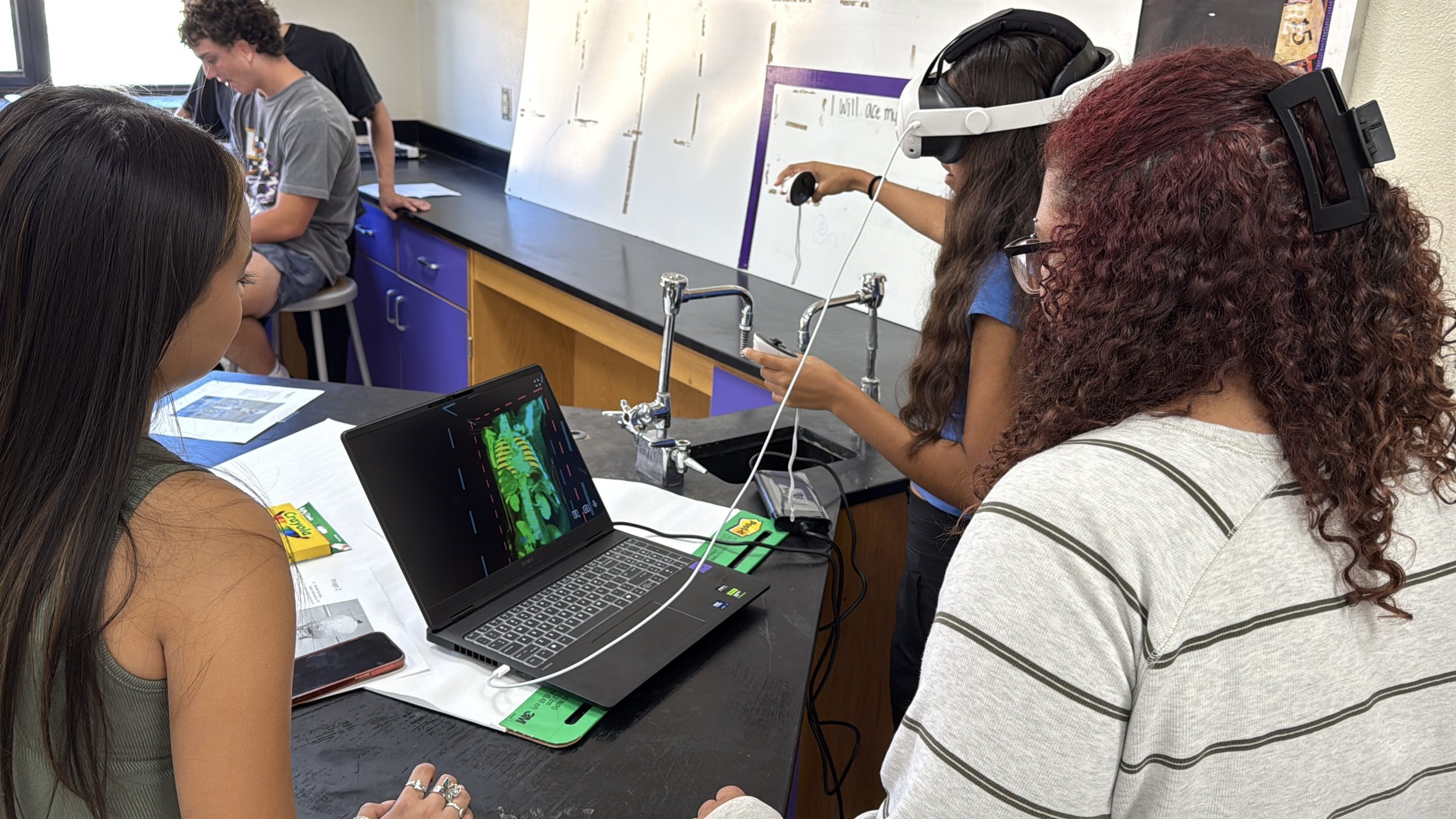
Dr. Naqvi’s students explore a clinical torso CT scan in syGlass VR.
Dr. Naqvi is already planning to expand his VR curriculum to include the cardiovascular, respiratory, and digestive systems—continuing to build a more immersive and connected learning experience for his students.
He describes the impact of this shift as moving away from passive instruction toward something much more powerful: active, student-driven discovery.
“This shift from ‘sitting and listening’ to active, student-led discovery has been incredible to watch.”
While he notes some logistical challenges, like limited hardware and the need for even more detailed datasets, his overall message is clear: the impact of immersive technology in the classroom is undeniable.
To the Innovators Leading the Way
To Dr. Naqvi, and to all the incredible educators currently using syGlass, we see you.
We see the creativity, the experimentation, and the dedication you bring to your classrooms every day. You are creating experiences that go beyond textbooks, giving students the opportunity to explore, question, and truly understand the world around them.
Your work is helping shape the next generation of leaders, thinkers, and problem-solvers. And we can’t wait to see where you take it next!